AGP Executive Report
Last update: 4 days agoIn the last 12 hours, coverage in and around the Caribbean and its institutions leaned toward governance, sports, and regional diplomacy. Grenada’s government announced a temporary land tenure regularisation waiver on accumulated interest for qualifying land accounts, approved by Cabinet in March 2026, with conditions including full principal repayment within 90 days of notification. In Grenada football, Team Duncan filed for High Court intervention over alleged irregularities in the Grenada Football Association (GFA) electoral process, with the matter set to be heard May 8. Regional political and rights-focused reporting also continued, including a CARICOM Election Observation Mission (CEOM) statement for The Bahamas’ May 12 elections and renewed commentary on the Escazú Agreement in the Caribbean—framing it as a mechanism for access to information, public participation, and justice in environmental matters.
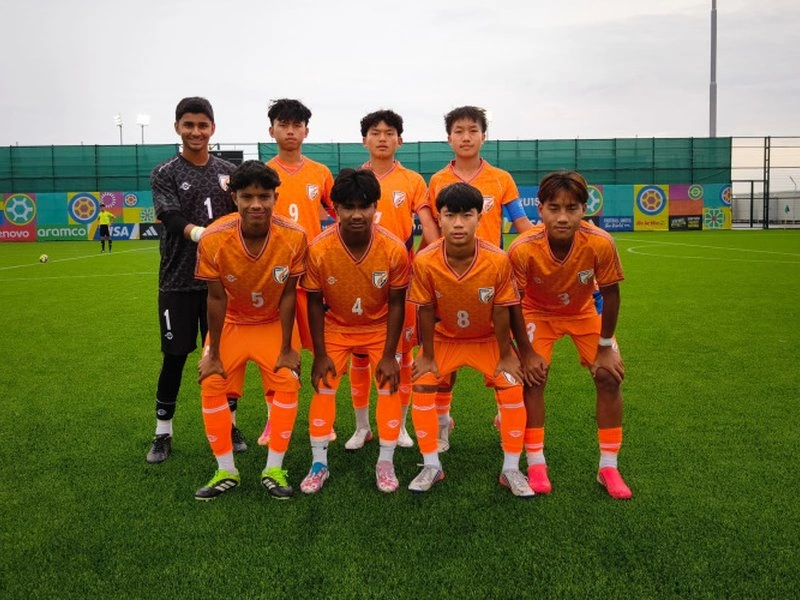
Sports news dominated several of the most recent items as well. Ireland football reporting focused on squad-building ahead of Euro 2028 preparations: FAI director of football John Martin said he is prioritising contract extensions for staff including Paddy McCarthy, and separate coverage highlighted how Ireland’s camp plans may be adjusted to better include League of Ireland players. In match-focused reporting, Harambee Stars were described as seeking redemption in the FIFA Series 2026 third-place playoff against Grenada, while other football items in the same window discussed call-ups and expectations around young players (including Jaden Umeh) for upcoming Ireland fixtures.
Beyond Grenada and football, the most recent coverage also included lifestyle and travel-freedom rankings. A report on “Most powerful Caribbean passports for 2026” placed Barbados at the top of the region in the Henley Passport Index, with other Caribbean states following closely—an item that, while not a policy development, reflects ongoing attention to mobility and international access. Meanwhile, a diplomatic thread emerged in Trinidad and Tobago–Venezuela coverage: Foreign and CARICOM Affairs Minister Sean Sobers was described as keeping silent on a high-stakes energy-related diplomatic initiative announced by Prime Minister Kamla Persad-Bissessar, leaving uncertainty about whether a delegation to Caracas has proceeded.
Older material in the 3–7 day range provided continuity and context for several themes that reappeared in the last 12 hours. Grenada’s broader energy push was reinforced by reporting on geothermal exploration: preparatory work at Mount St. Catherine and an expanded drilling campaign were described as aimed at determining viability for commercial generation, with timelines extending to 2028. Regional governance and rights also continued to surface, including discussion of freedom of information legislation efforts in Barbados and related media-environment pressures. Finally, the Guyana–Venezuela Essequibo dispute remained a major backdrop, with coverage noting Guyana’s position at the ICJ that a large share of its territory is at stake—helping explain why energy, sovereignty, and diplomatic messaging are recurring topics across the region.
Note: AI summary from news headlines; neutral sources weighted more to help reduce bias in the result.